

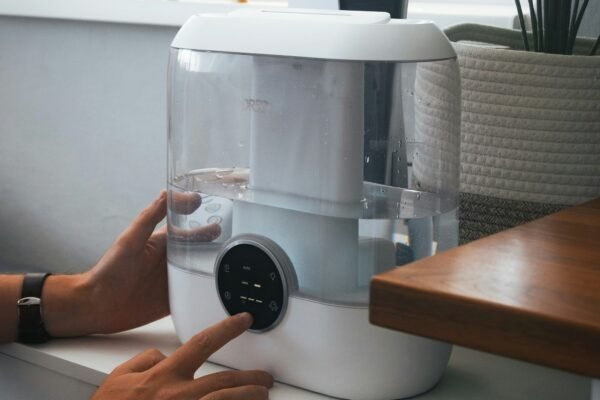
Smart Home Devices in 2026: Transforming Your Home with Next-Gen Technology
Introduction Smart Home Devices in 2026 are poised to completely redefine how we interact with our living spaces. No longer just a convenience or a luxury, smart homes are becoming a standard for modern living. Advances in artificial intelligence (AI), the Internet of Things (IoT), voice recognition, and home automation technologies are turning ordinary homes into intelligent ecosystems that anticipate our needs, enhance security, and improve efficiency. By 2026, homes will do more than just respond to commands; they will predict your behavior, optimize energy usage, and even manage household tasks autonomously. This article explores the trends, technologies, benefits, challenges, and future of smart home devices. What Are Smart Home Devices? Smart home devices are electronic gadgets that connect to the internet and allow users to control or monitor their home environment remotely. These devices range from smart thermostats and lighting to security systems, kitchen appliances, and entertainment platforms. Some common examples include: By 2026, these devices will integrate AI and predictive algorithms, enabling them to anticipate user preferences and adapt without manual input. For example, a smart thermostat might lower the temperature when you leave for work, and a connected coffee machine could start brewing automatically when your alarm goes off. Top Trends in Smart Home Devices in 2026 1. AI and Machine Learning Integration Artificial intelligence will be the backbone of next-generation smart homes. Devices will learn patterns of behavior, identify preferences, and provide proactive recommendations. For instance: According to Statista, the global AI-powered smart home market is expected to grow exponentially by 2026, driven by consumer demand for convenience and efficiency. 2. IoT and Fully Interconnected Homes The Internet of Things (IoT) enables devices to communicate with each other. In 2026, homes will function as a fully integrated ecosystem: This interconnected ecosystem reduces manual intervention, increases energy efficiency, and enhances overall user experience. 3. Voice and Gesture Control While voice control has been popular since 2015, by 2026, it will be far more intuitive and capable of handling complex multi-device commands. Gesture control and even eye-tracking may become mainstream, allowing touchless interaction with devices. Imagine adjusting your thermostat by simply pointing at it, or turning off lights by gesturing toward the switch. These features will improve accessibility for people with disabilities and make everyday tasks seamless. 4. Enhanced Security and Privacy Security is a major concern for smart homes. With more devices connected online, the risk of cyberattacks increases. By 2026, smart home security will include: Privacy-focused smart devices will also allow users to control what data is shared with manufacturers and third-party services. 5. Energy Efficiency and Sustainability Smart home devices in 2026 will help users reduce energy consumption and environmental impact. Features may include: These technologies will not only lower utility bills but also promote a greener, more sustainable lifestyle. 6. Smart Healthcare Integration Smart homes are expanding beyond comfort and convenience to health and wellness: By 2026, smart homes could actively contribute to preventive healthcare and improve overall quality of life. 7. Entertainment and Lifestyle Enhancements Smart home devices will also transform entertainment and daily routines: The integration of lifestyle and entertainment into smart homes ensures a fully connected, enjoyable, and personalized living experience. Impact on Daily Life Smart Home Devices in 2026 will make life: Challenges and Solutions Despite the enormous potential, smart homes face challenges: By addressing these challenges, smart homes can become accessible, secure, and beneficial to all users. Global Market and Adoption The global smart home market is projected to reach over $174 billion by 2026 (Statista). Growth is driven by: Countries like the US, China, and parts of Europe are leading in adoption, while emerging markets are catching up with affordable, entry-level smart devices. The Future Outlook By 2026, smart home devices will: The smart home of 2026 is not just about gadgets — it is about a connected, intelligent, and responsive living environment. Conclusion Smart Home Devices in 2026 will transform the way we live, work, and interact with our environment. With AI, IoT, and connected devices, homes will anticipate needs, enhance security, save energy, and improve well-being. As adoption grows, smart homes will no longer be a luxury but a necessity for a modern, connected lifestyle. The future is smart, and the home of 2026 will be more than just a place to live — it will be a personal assistant, a security hub, a wellness center, and an energy manager all in one.