
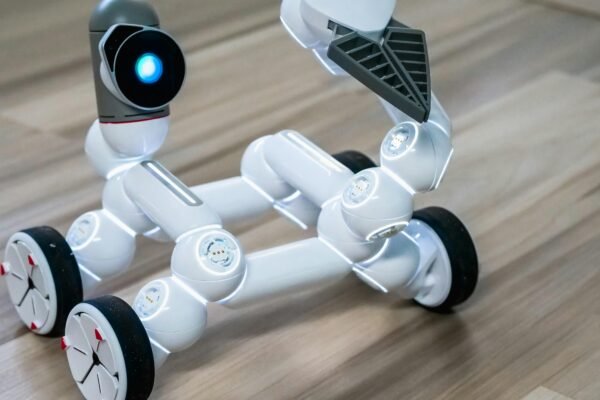
“🔑 AI in 2026: 7 Powerful Ways Next-Gen Automation is Transforming Life”

Introduction AI in 2026 is no longer a futuristic idea—it’s a transformative force reshaping human life, work, and interactions on a global scale. Unlike earlier automation waves, today’s AI integrates seamlessly into everyday environments—from smart homes and workplaces to healthcare, education, and entertainment. The rise of next-generation AI technologies is not just about efficiency or convenience; it’s about fundamentally changing how humans operate. Automation is no longer an optional tool but a core part of societal infrastructure. This article explores 10 powerful ways AI in 2026 is changing daily life and the future of work. 1. AI in 2026: The Silent Workforce In the workplace, AI in 2026 is handling tasks once performed by humans, increasing productivity while reducing errors. Routine operations like scheduling, report generation, and document processing are now automated. This “silent workforce” improves efficiency while allowing human employees to focus on creativity and strategic thinking. Unlike previous automation, AI now learns dynamically, adapting to new workflows and environments. 2. AI in Smart Homes: Personalized Automation Smart homes are evolving with AI in 2026 to provide personalized living experiences. AI-powered systems monitor energy usage, anticipate resident behavior, and automate appliances. Smart living has moved from a luxury to a necessity, creating homes that are efficient, safe, and responsive to occupants’ needs. 3. AI in Healthcare: Predictive Diagnostics Healthcare is undergoing a massive transformation with AI in 2026. Predictive diagnostics, remote monitoring, and personalized treatments are now standard in many hospitals. This predictive approach not only enhances patient care but also reduces hospital congestion and extends healthcare access to underserved populations. 4. AI in Education: Personalized Learning AI in 2026 revolutionizes education with adaptive learning systems that adjust to each student’s pace and strengths. Students receive tailored instruction that optimizes comprehension and retention, making education more effective and inclusive. 5. AI in Entertainment: Immersive Experiences Entertainment has become fully immersive thanks to AI in 2026. AI transforms entertainment from passive consumption to interactive, engaging experiences that adapt to each individual. 6. AI in Finance: Smarter Decision-Making The finance sector leverages AI in 2026 for faster, safer, and smarter operations. AI in finance ensures transparency, efficiency, and security while enabling more informed decision-making. 7. AI in Transportation: Autonomous Mobility AI in 2026 powers autonomous vehicles, traffic management, and logistics optimization. Transportation becomes smarter, safer, and more environmentally friendly. 8. AI in Retail: Hyper-Personalization Retail businesses use AI in 2026 to personalize shopping experiences: The result is a seamless, personalized shopping experience that drives sales and customer loyalty. 9. Ethical and Regulatory Challenges Despite its benefits, AI in 2026 presents challenges: Addressing these challenges requires thoughtful regulation, ethical frameworks, and responsible AI development. 10. The Future of AI in 2026 and Beyond The impact of AI in 2026 extends beyond technology adoption—it reshapes society. AI in 2026 is the foundation for a smarter, more connected, and more efficient world. Those who embrace it strategically will lead the next decade in both economic and societal development. External DoFollow Links Internal Link Suggestion Tech Revolution 2026: Innovations Reshaping Daily Life Image Suggestions / Alt Texts


Read More

Blockchain & Web3 in 2026: A New Era of Decentralized Digital Ownership

Blockchain & Web3 in 2026 are entering a transformative phase where decentralized technologies move beyond hype cycles and begin to power real-world infrastructure—from payments to supply chains, gaming, and identity. đź“‘ Table of Contents What Blockchain & Web3 in 2026 Really Mean What makes Blockchain & Web3 in 2026 different from previous years is the shift from experimentation to practical commercialization. Governments, banks, retailers, and game developers aren’t asking if Web3 will matter anymore — they’re focusing on where and how to deploy it. Major Drivers of Adoption in 2026 Several forces are accelerating adoption: 1. Regulatory Clarity Countries in Asia, EU, and the Middle East expanded crypto licensing and digital asset governance frameworks, removing uncertainty. 2. Institutional Investment Asset managers, telecoms, and trading platforms are now investing in tokenized assets and Web3 infrastructure. 3. Digital-First Consumer Behavior Gen Z and Gen Alpha are comfortable with digital ownership, NFTs, metaverse items, and virtual identity. 10 Powerful Trends Shaping Blockchain & Web3 in 2026 Below are the key trends influencing Blockchain & Web3 in 2026: Trend 1: Tokenization of Real-World Assets (RWA) Real-world asset tokenization is booming as blockchain makes it possible to fractionally own: BlackRock and other major financial institutions publicly support RWA tokenization as the next trillion-dollar market. Trend 2: Web3 Identity (DID + Verifiable Credentials) Decentralized IDs let users own their identity without relying on Google or Facebook login systems. This helps with: Trend 3: Cross-Chain Interoperability Blockchain networks are becoming interoperable instead of isolated ecosystems. Bridges and cross-chain protocols reduce friction for: Trend 4: Enterprise Blockchain Adoption Enterprises are using blockchain for: Sectors most impacted: Trend 5: Web3 Gaming & Digital Collectibles Gaming is a major adoption driver in Blockchain & Web3 in 2026, with play-to-own models replacing play-to-earn. Gamers can now own in-game assets, skins, or characters and trade them freely. Trend 6: Layer-2 Scaling Networks Layer-2 networks dramatically reduce fees and boost throughput, helping Web3 onboard mainstream users. Trend 7: Reinforced DeFi Security DeFi platforms are introducing: This reduces risk and increases confidence. Trend 8: Web3 Social Platforms Decentralized social media gives users ownership over: Creators benefit from tokenized monetization models. Trend 9: Blockchain-Powered Payments Cross-border payments are faster, cheaper, and transparent. Web3 wallets compete directly with fintech apps. Trend 10: AI + Web3 Convergence AI agents need verifiable data and blockchain provides: This convergence enhances automation from supply chains to gaming NPCs. Real-World Use Cases in 2026 Here are the visible adoption cases: âś” Healthcare: medical record sharingâś” Retail: supply chain transparencyâś” Banking: tokenized assets & settlementâś” Government: blockchain IDs & land registriesâś” Education: credential verificationâś” Entertainment: NFT ticketingâś” Gaming: player-owned assetsâś” Logistics: IoT-linked blockchain tracking Opportunities for Entrepreneurs & Businesses Businesses can benefit from Blockchain & Web3 in 2026 via: Industries ripe for disruption: Challenges & Limitations Despite progress, Web3 adoption still faces: ❌ regulatory fragmentation❌ technical complexity❌ user onboarding friction❌ limited interoperability❌ security vulnerabilities Mainstream adoption requires better UX and unified standards. Future Outlook for Blockchain & Web3 in 2026 and Beyond Between 2026–2030 blockchain is expected to: Industry analysts project Web3 to become a multi-trillion-dollar economy. Internal Links (Example for your website structure) External Resources (DoFollow) These credible sources strengthen trust: Conclusion Blockchain & Web3 in 2026 mark the transition from experimental crypto speculation toward infrastructure-grade digital ownership systems. As regulation improves and technology matures, enterprises, creators, and consumers will all participate in decentralized economies driving the next evolution of the internet.

Read More

Cloud Computing: Why Businesses Are Moving Online

Introduction Cloud Computing: Why Businesses Are Moving Online is a question every modern company is asking. The shift to cloud technology is no longer optional—it’s essential for businesses looking to stay competitive in a digital-first world. Cloud computing allows companies to store data, run applications, and manage services online, eliminating the need for costly on-premise infrastructure. By 2026, businesses of all sizes will increasingly rely on cloud solutions to improve scalability, reduce costs, enhance collaboration, and ensure secure access to data from anywhere in the world. This article explores why businesses are moving online, the benefits, trends, challenges, and what the future holds for cloud computing. What is Cloud Computing? Cloud computing is the delivery of computing services—including servers, storage, databases, networking, software, analytics, and intelligence—over the internet (“the cloud”). Instead of managing physical infrastructure on-site, businesses can access resources on demand from cloud service providers like Amazon Web Services (AWS), Microsoft Azure, and Google Cloud. Key Components of Cloud Computing Businesses are moving online because cloud computing offers flexibility, cost savings, and innovation capabilities that traditional IT infrastructure cannot match. Top Reasons Businesses Are Moving to the Cloud 1. Cost Savings and Scalability Maintaining on-premise servers requires large upfront investments, ongoing maintenance, and IT staff. Cloud computing allows businesses to pay only for the resources they use. 2. Remote Work and Collaboration With global teams and remote work becoming standard, cloud computing enables employees to access applications and data from anywhere. 3. Enhanced Security and Compliance Cloud providers invest heavily in security measures, including encryption, firewalls, intrusion detection, and compliance certifications. 4. Business Continuity and Disaster Recovery Cloud computing ensures business operations continue even during disasters: 5. Innovation and Competitive Advantage Cloud platforms provide tools for AI, machine learning, analytics, IoT, and big data processing. Emerging Cloud Computing Trends in 2026 1. Hybrid and Multi-Cloud Environments Many businesses will adopt hybrid clouds (mix of on-premise and cloud) or multi-cloud strategies (using multiple cloud providers) to increase flexibility, reduce vendor lock-in, and improve disaster recovery. 2. Serverless Computing Serverless solutions allow companies to focus on code development without worrying about underlying infrastructure. This improves efficiency, reduces costs, and accelerates innovation. 3. Edge Computing Integration Edge computing processes data closer to where it’s generated, reducing latency for IoT devices, autonomous vehicles, and real-time applications. Cloud and edge computing together enhance performance and reliability. 4. AI and Machine Learning in the Cloud AI-powered cloud services will become more widespread, offering predictive analytics, automation, and smarter business insights. 5. Sustainability and Green Cloud Initiatives Cloud providers are investing in renewable energy and energy-efficient data centers to reduce environmental impact, helping businesses meet sustainability goals. Benefits of Moving to Cloud Computing Benefit Explanation Cost Efficiency Pay-as-you-go models reduce upfront investment and operational costs. Scalability Scale resources instantly to meet business demands. Flexibility Employees can work from anywhere, enhancing productivity. Security Enterprise-grade security and compliance features protect data. Disaster Recovery Automated backups and multi-location storage prevent data loss. Innovation Access to AI, analytics, and IoT tools for smarter decision-making. Challenges and Solutions While cloud computing offers many advantages, businesses must navigate certain challenges: Real-World Examples These examples show that cloud computing is no longer optional—it’s a critical driver of business success. The Future of Cloud Computing By 2026, cloud computing will continue to evolve: Cloud computing will remain a key enabler of digital transformation, helping businesses stay agile, innovative, and competitive. Conclusion Cloud Computing: Why Businesses Are Moving Online is clear: the cloud offers unmatched scalability, cost-efficiency, security, and innovation opportunities. By 2026, cloud adoption will no longer be optional—it will be a necessity for businesses that want to thrive in a digital-first world. Companies leveraging cloud technology will gain competitive advantages, improve operational efficiency, and empower remote teams. The future of business is online, and cloud computing is the backbone of that transformation.

Read More