

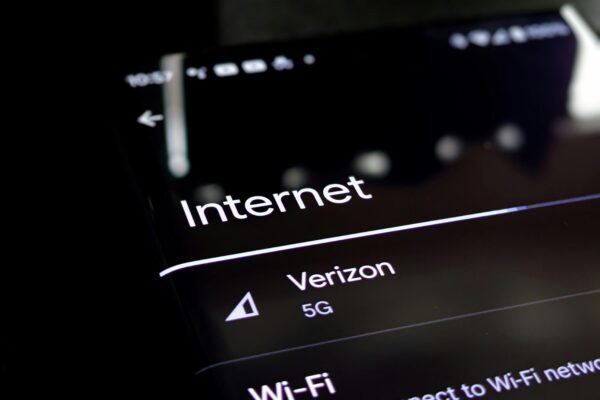
5G Connectivity and the Future of Mobile Internet in 2026
introduction 5G connectivity is redefining the future of mobile internet and powering the next generation of digital experiences. With dramatically faster speeds, increased bandwidth, and ultra-low latency, 5G connectivity enables innovations that were impossible under previous network standards such as 3G and 4G LTE. As global adoption accelerates in 2026, industries including healthcare, transportation, manufacturing, entertainment, and smart infrastructure are leveraging 5G to enhance performance, improve efficiency, and introduce fully connected services at scale. H2: What is 5G Connectivity? 5G connectivity is the fifth generation of mobile network technology. Compared to 4G LTE, 5G connectivity offers: ✔ Enhanced mobile broadband (EMBB)✔ Ultra-reliable low-latency communication (URLLC)✔ Massive machine-type communication (MMTC) These capabilities make 5G the first wireless standard optimized not only for smartphones but also for machines, sensors, and autonomous systems. H2: Benefits of 5G Connectivity H3: Faster Speed and Bandwidth One of the most marketed benefits of 5G connectivity is speed. Consumers can experience high-definition streaming, cloud gaming, remote work, and digital collaboration without lag. H3: Low Latency for Real-Time Applications Low latency is critical for real-time applications such as: 5G connectivity reduces latency to milliseconds, enabling instant communication between devices. H3: Supporting the Internet of Things (IoT) Massive IoT ecosystems rely on 5G due to its ability to support millions of devices per square mile. Smart home devices, smart meters, wearables, and sensors depend on reliable always-on wireless connectivity. H2: Industries Transformed by 5G Connectivity H3: Smart Cities Smart cities use 5G to manage: These systems require real-time data and automation, which 5G supports. H3: Healthcare and Telemedicine Wearable devices and remote patient monitoring depend on 5G connectivity to transmit biometric data instantly. Remote robotic surgery becomes safer with ultra-low latency networks. H3: Automotive & Autonomous Vehicles Self-driving cars require constant updates from sensors, GPS, and infrastructure. Without 5G connectivity, communication delays would make autonomous navigation unsafe. H3: Manufacturing & Industry 4.0 Factories are moving toward automation using: 5G connectivity enables machines to communicate without Ethernet cables. H2: The Future of Mobile Internet with 5G Connectivity The future mobile internet powered by 5G connectivity includes: ✔ Cloud-based computing✔ AI-enhanced services✔ Connected wearables✔ Holographic communication✔ Metaverse & XR experiences Mobile internet will shift from content consumption to real-time interaction. DoFollow External Sources (For SEO authority) Internal Link Suggestions (When Other Posts Are Published) From this article you can link to: ➡ The Rise of Smart Home Devices in 2026➡ How Wearable Technology Is Shaping Health and Fitness➡ Cybersecurity Threats Businesses Must Watch in 2026 These improve ranking & crawlability. Image Suggestion + Alt Text 🖼 Suggested Image:Smart city or 5G network visualization Alt Text:“5G connectivity enabling smart city communication” Conclusion 5G connectivity is not just a faster version of 4G or LTE—its low latency, bandwidth, and device density support new technological frontiers. As rollouts expand in 2026, 5G connectivity will play a foundational role in shaping smart cities, autonomous mobility, healthcare, IoT ecosystems, and the future of mobile internet globally.