
Blog

Data Analytics & Business Decisions in 2026

Introduction Data Analytics & Business Decisions in 2026 are set to revolutionize the way companies operate. Businesses are increasingly relying on data-driven insights to make strategic decisions, optimize operations, and predict future trends. By 2026, advancements in AI, machine learning, big data platforms, and predictive analytics will allow organizations to make faster, more accurate, and smarter business decisions than ever before. Data is no longer just a byproduct of business operations; it has become a core asset that drives strategy, growth, and competitiveness. Companies that fail to leverage analytics risk falling behind their data-savvy competitors. What is Data Analytics in Business? Data analytics refers to the process of examining raw data to uncover patterns, trends, and insights. In a business context, this can influence decisions across marketing, finance, operations, supply chain, customer experience, and more. Key Types of Data Analytics By 2026, predictive and prescriptive analytics will dominate business strategies, allowing companies to anticipate market shifts, customer preferences, and operational challenges. Why Businesses Are Moving Toward Analytics-Driven Decisions 1. Enhanced Strategic Planning Data analytics enables organizations to develop strategies backed by real insights rather than assumptions. 2. Improved Customer Experience Analytics provides deep insights into customer preferences and behaviors: 3. Operational Efficiency Data analytics helps streamline operations, reduce costs, and optimize performance: 4. Risk Management By analyzing historical and real-time data, businesses can detect anomalies, predict potential failures, and mitigate risks before they escalate. 5. Competitive Advantage Organizations using advanced analytics outperform their peers by making faster, smarter decisions. Key Trends in Data Analytics by 2026 1. AI and Machine Learning Integration Artificial intelligence and machine learning will be fully integrated with analytics platforms: 2. Real-Time Analytics By 2026, businesses will rely on real-time data to make instant decisions: 3. Self-Service Analytics Platforms Advanced platforms will allow non-technical users to explore and analyze data without coding: 4. Cloud-Based Analytics Cloud computing will enable scalable and cost-effective analytics: 5. Data Governance and Ethics As data usage grows, organizations will prioritize compliance, security, and ethical practices: Applications of Data Analytics in Business 1. Marketing Analytics 2. Financial Analytics 3. Supply Chain and Logistics Analytics 4. Human Resource Analytics 5. Product and Service Development Challenges in Adopting Data Analytics Future Outlook: Data Analytics in 2026 and Beyond By 2026, data analytics will be the foundation of every business decision: Companies that fully embrace data analytics will gain a significant competitive edge, improve efficiency, and better serve their customers. Conclusion Data Analytics & Business Decisions in 2026 will transform the way organizations operate. Businesses will no longer rely on intuition alone; instead, data-driven insights will guide every strategic move. From marketing and finance to HR and operations, analytics will enable smarter, faster, and more informed decisions. The future belongs to businesses that leverage data effectively. By 2026, companies using advanced analytics platforms, AI, and cloud solutions will be more agile, efficient, and competitive than ever before.


Read More

Quantum Computing Breakthroughs Expected in 2026: The Future of Technology

Introduction Quantum Computing Breakthroughs Expected in 2026 are set to redefine the world of computing and technology. Unlike classical computers, which process bits as 0s and 1s, quantum computers use qubits, allowing them to perform complex calculations exponentially faster. By 2026, advancements in quantum algorithms, hardware, and error correction will make quantum computing more accessible, practical, and revolutionary for industries ranging from healthcare to finance. Quantum computing promises to solve problems that are currently intractable, such as simulating complex molecules for drug discovery, optimizing global supply chains, and breaking traditional encryption methods. This article explores the breakthroughs expected in 2026, their potential applications, challenges, and what the future of computing holds. What is Quantum Computing? Quantum computing is a form of computation that leverages the principles of quantum mechanics, such as superposition and entanglement, to process information. Unlike classical computers, which use bits as either 0 or 1, quantum computers use qubits, which can exist in multiple states simultaneously. Key components of quantum computing include: By 2026, breakthroughs in hardware, software, and algorithms will bring quantum computing closer to practical and commercial applications. Top Quantum Computing Breakthroughs Expected in 2026 1. Increased Qubit Count and Stability One major challenge in quantum computing is qubit stability and scalability. By 2026, we expect: This advancement will enable quantum computers to tackle calculations far beyond the reach of classical supercomputers. 2. Practical Quantum Algorithms New algorithms optimized for quantum hardware are expected to emerge by 2026. These algorithms will: Quantum software development kits (SDKs) from companies like IBM, Microsoft, and Google are already making algorithm development more accessible to researchers. 3. Quantum Cloud Services Cloud-based quantum computing will allow businesses and researchers to access quantum resources without owning expensive hardware. By 2026: 4. Breakthroughs in Quantum Cryptography Quantum computing also poses challenges, particularly in encryption and cybersecurity. Expected breakthroughs include: 5. Integration with Artificial Intelligence and Big Data Quantum computing will supercharge AI and big data analytics: Applications of Quantum Computing by 2026 Benefits of Quantum Computing Benefit Explanation Exponential Speed Solve complex calculations much faster than classical computers. Enhanced AI Capabilities Process large datasets efficiently for smarter AI. Advanced Simulations Simulate molecules, materials, and physical systems accurately. Optimized Decision-Making Improve logistics, finance, and operational decisions. Secure Communication Quantum cryptography ensures unbreakable security. Challenges and Limitations The Future Outlook By 2026, quantum computing breakthroughs are expected to: The coming years will bridge the gap between theoretical quantum computing and practical applications, positioning quantum technology as a key driver of the next technological revolution. Conclusion Quantum Computing Breakthroughs Expected in 2026 will redefine the limits of technology. With faster computation, secure communication, and integration with AI and big data, quantum computers will enable businesses and researchers to solve previously impossible problems. While challenges remain, the potential benefits of quantum computing—exponential speed, enhanced AI capabilities, and advanced simulations—make it one of the most exciting technological frontiers. By 2026, quantum computing will move from experimental labs to practical applications, shaping the future of industries and global innovation.

Read More

Cloud Computing: Why Businesses Are Moving Online

Introduction Cloud Computing: Why Businesses Are Moving Online is a question every modern company is asking. The shift to cloud technology is no longer optional—it’s essential for businesses looking to stay competitive in a digital-first world. Cloud computing allows companies to store data, run applications, and manage services online, eliminating the need for costly on-premise infrastructure. By 2026, businesses of all sizes will increasingly rely on cloud solutions to improve scalability, reduce costs, enhance collaboration, and ensure secure access to data from anywhere in the world. This article explores why businesses are moving online, the benefits, trends, challenges, and what the future holds for cloud computing. What is Cloud Computing? Cloud computing is the delivery of computing services—including servers, storage, databases, networking, software, analytics, and intelligence—over the internet (“the cloud”). Instead of managing physical infrastructure on-site, businesses can access resources on demand from cloud service providers like Amazon Web Services (AWS), Microsoft Azure, and Google Cloud. Key Components of Cloud Computing Businesses are moving online because cloud computing offers flexibility, cost savings, and innovation capabilities that traditional IT infrastructure cannot match. Top Reasons Businesses Are Moving to the Cloud 1. Cost Savings and Scalability Maintaining on-premise servers requires large upfront investments, ongoing maintenance, and IT staff. Cloud computing allows businesses to pay only for the resources they use. 2. Remote Work and Collaboration With global teams and remote work becoming standard, cloud computing enables employees to access applications and data from anywhere. 3. Enhanced Security and Compliance Cloud providers invest heavily in security measures, including encryption, firewalls, intrusion detection, and compliance certifications. 4. Business Continuity and Disaster Recovery Cloud computing ensures business operations continue even during disasters: 5. Innovation and Competitive Advantage Cloud platforms provide tools for AI, machine learning, analytics, IoT, and big data processing. Emerging Cloud Computing Trends in 2026 1. Hybrid and Multi-Cloud Environments Many businesses will adopt hybrid clouds (mix of on-premise and cloud) or multi-cloud strategies (using multiple cloud providers) to increase flexibility, reduce vendor lock-in, and improve disaster recovery. 2. Serverless Computing Serverless solutions allow companies to focus on code development without worrying about underlying infrastructure. This improves efficiency, reduces costs, and accelerates innovation. 3. Edge Computing Integration Edge computing processes data closer to where it’s generated, reducing latency for IoT devices, autonomous vehicles, and real-time applications. Cloud and edge computing together enhance performance and reliability. 4. AI and Machine Learning in the Cloud AI-powered cloud services will become more widespread, offering predictive analytics, automation, and smarter business insights. 5. Sustainability and Green Cloud Initiatives Cloud providers are investing in renewable energy and energy-efficient data centers to reduce environmental impact, helping businesses meet sustainability goals. Benefits of Moving to Cloud Computing Benefit Explanation Cost Efficiency Pay-as-you-go models reduce upfront investment and operational costs. Scalability Scale resources instantly to meet business demands. Flexibility Employees can work from anywhere, enhancing productivity. Security Enterprise-grade security and compliance features protect data. Disaster Recovery Automated backups and multi-location storage prevent data loss. Innovation Access to AI, analytics, and IoT tools for smarter decision-making. Challenges and Solutions While cloud computing offers many advantages, businesses must navigate certain challenges: Real-World Examples These examples show that cloud computing is no longer optional—it’s a critical driver of business success. The Future of Cloud Computing By 2026, cloud computing will continue to evolve: Cloud computing will remain a key enabler of digital transformation, helping businesses stay agile, innovative, and competitive. Conclusion Cloud Computing: Why Businesses Are Moving Online is clear: the cloud offers unmatched scalability, cost-efficiency, security, and innovation opportunities. By 2026, cloud adoption will no longer be optional—it will be a necessity for businesses that want to thrive in a digital-first world. Companies leveraging cloud technology will gain competitive advantages, improve operational efficiency, and empower remote teams. The future of business is online, and cloud computing is the backbone of that transformation.

Read More

Smart Home Devices in 2026: Transforming Your Home with Next-Gen Technology

Introduction Smart Home Devices in 2026 are poised to completely redefine how we interact with our living spaces. No longer just a convenience or a luxury, smart homes are becoming a standard for modern living. Advances in artificial intelligence (AI), the Internet of Things (IoT), voice recognition, and home automation technologies are turning ordinary homes into intelligent ecosystems that anticipate our needs, enhance security, and improve efficiency. By 2026, homes will do more than just respond to commands; they will predict your behavior, optimize energy usage, and even manage household tasks autonomously. This article explores the trends, technologies, benefits, challenges, and future of smart home devices. What Are Smart Home Devices? Smart home devices are electronic gadgets that connect to the internet and allow users to control or monitor their home environment remotely. These devices range from smart thermostats and lighting to security systems, kitchen appliances, and entertainment platforms. Some common examples include: By 2026, these devices will integrate AI and predictive algorithms, enabling them to anticipate user preferences and adapt without manual input. For example, a smart thermostat might lower the temperature when you leave for work, and a connected coffee machine could start brewing automatically when your alarm goes off. Top Trends in Smart Home Devices in 2026 1. AI and Machine Learning Integration Artificial intelligence will be the backbone of next-generation smart homes. Devices will learn patterns of behavior, identify preferences, and provide proactive recommendations. For instance: According to Statista, the global AI-powered smart home market is expected to grow exponentially by 2026, driven by consumer demand for convenience and efficiency. 2. IoT and Fully Interconnected Homes The Internet of Things (IoT) enables devices to communicate with each other. In 2026, homes will function as a fully integrated ecosystem: This interconnected ecosystem reduces manual intervention, increases energy efficiency, and enhances overall user experience. 3. Voice and Gesture Control While voice control has been popular since 2015, by 2026, it will be far more intuitive and capable of handling complex multi-device commands. Gesture control and even eye-tracking may become mainstream, allowing touchless interaction with devices. Imagine adjusting your thermostat by simply pointing at it, or turning off lights by gesturing toward the switch. These features will improve accessibility for people with disabilities and make everyday tasks seamless. 4. Enhanced Security and Privacy Security is a major concern for smart homes. With more devices connected online, the risk of cyberattacks increases. By 2026, smart home security will include: Privacy-focused smart devices will also allow users to control what data is shared with manufacturers and third-party services. 5. Energy Efficiency and Sustainability Smart home devices in 2026 will help users reduce energy consumption and environmental impact. Features may include: These technologies will not only lower utility bills but also promote a greener, more sustainable lifestyle. 6. Smart Healthcare Integration Smart homes are expanding beyond comfort and convenience to health and wellness: By 2026, smart homes could actively contribute to preventive healthcare and improve overall quality of life. 7. Entertainment and Lifestyle Enhancements Smart home devices will also transform entertainment and daily routines: The integration of lifestyle and entertainment into smart homes ensures a fully connected, enjoyable, and personalized living experience. Impact on Daily Life Smart Home Devices in 2026 will make life: Challenges and Solutions Despite the enormous potential, smart homes face challenges: By addressing these challenges, smart homes can become accessible, secure, and beneficial to all users. Global Market and Adoption The global smart home market is projected to reach over $174 billion by 2026 (Statista). Growth is driven by: Countries like the US, China, and parts of Europe are leading in adoption, while emerging markets are catching up with affordable, entry-level smart devices. The Future Outlook By 2026, smart home devices will: The smart home of 2026 is not just about gadgets — it is about a connected, intelligent, and responsive living environment. Conclusion Smart Home Devices in 2026 will transform the way we live, work, and interact with our environment. With AI, IoT, and connected devices, homes will anticipate needs, enhance security, save energy, and improve well-being. As adoption grows, smart homes will no longer be a luxury but a necessity for a modern, connected lifestyle. The future is smart, and the home of 2026 will be more than just a place to live — it will be a personal assistant, a security hub, a wellness center, and an energy manager all in one.

Read More

Digital Payments & Fintech in 2026: Transforming the Way We Pay

Introduction The financial world is evolving faster than ever. By 2026, digital payments & fintech are set to transform how individuals and businesses manage money. With mobile wallets, contactless payments, blockchain technology, and AI-driven banking solutions, traditional financial processes are being replaced by smarter, faster, and more secure systems. This shift is not just about convenience — it’s about creating a seamless financial ecosystem for a connected world. What Are Digital Payments and Fintech? Digital payments refer to any transaction that is conducted electronically, without the need for physical cash. Examples include mobile payments, online banking, and digital wallets. Fintech, or financial technology, is the broader industry encompassing digital payments, innovative banking solutions, cryptocurrency platforms, and AI-powered financial tools. By 2026, fintech will bridge the gap between consumers, businesses, and financial institutions, offering faster, safer, and more personalized services. Key Trends in Digital Payments & Fintech in 2026 1. Mobile and Contactless Payments Will Dominate Smartphones and wearable devices will serve as primary payment tools. Contactless payments will reduce dependency on cash, enabling quick and secure transactions in stores, restaurants, and even public transport. 2. AI-Powered Financial Services Artificial Intelligence will revolutionize customer service, fraud detection, credit scoring, and personalized banking. Virtual financial assistants and chatbots will handle transactions and queries in real-time. 3. Blockchain and Cryptocurrency Integration Blockchain technology will ensure faster, more transparent, and secure transactions. Cryptocurrencies and central bank digital currencies (CBDCs) are likely to gain wider adoption, reshaping global finance. 4. Embedded Finance and Super Apps Super apps will integrate banking, payments, investment, insurance, and e-commerce into a single platform. This embedded finance approach will create seamless user experiences, making financial management simpler than ever. 5. Enhanced Security and Compliance With digital transactions increasing, cybersecurity, regulatory compliance, and data protection will remain critical. Fintech companies will invest heavily in encryption, multi-factor authentication, and AI-driven fraud detection systems. The Impact on Consumers and Businesses Global Adoption and Economic Implications By 2026, digital payments and fintech are expected to contribute trillions of dollars to the global economy. According to World Bank, countries adopting digital payment solutions experience higher financial inclusion, improved economic efficiency, and increased GDP growth. Fintech innovation will not only enhance payment systems but also create new financial jobs, stimulate entrepreneurship, and support economic recovery in developing markets. Challenges Ahead Despite the exciting prospects, digital payments and fintech face several hurdles: The Future Outlook By 2026, digital payments & fintech will no longer be optional—they will be essential. Traditional banking will coexist with digital-first platforms, offering faster, smarter, and more accessible services worldwide. The adoption of AI, blockchain, and mobile solutions will redefine how people and businesses interact with money, making financial management seamless and inclusive. Conclusion The future of finance is digital. Digital payments & fintech in 2026 will transform everyday transactions, enhance financial inclusion, and drive global economic growth. As technology continues to evolve, consumers and businesses alike must embrace these changes to stay ahead in an increasingly cashless, connected world.

Read More

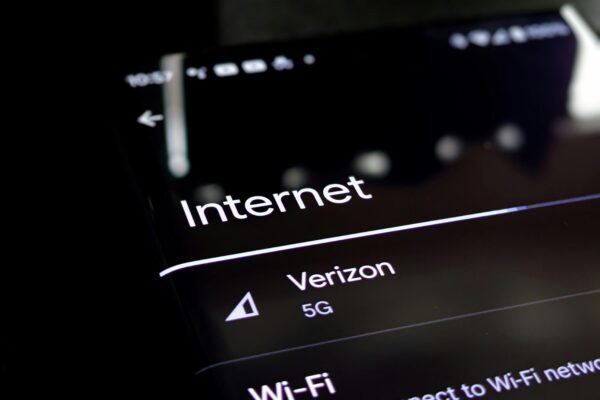
5G Connectivity and the Future of Mobile Internet in 2026: A Game-Changing Shift

Introduction The year 2026 marks a new era in wireless technology as 5G connectivity and the future of mobile internet reshape how we communicate, work, and interact with the world. With unprecedented speeds, ultra-low latency, and the ability to connect billions of devices, 5G is not just an upgrade from 4G — it’s a revolution. Businesses, governments, and consumers are preparing for a digital ecosystem that will be faster, smarter, and more connected than ever. What is 5G Connectivity? 5G, the fifth generation of mobile networks, promises to deliver: Unlike 4G, which primarily focused on improving mobile broadband, 5G is designed to connect people, devices, and machines at a scale previously unimaginable. Key Benefits of 5G in 2026 1. Faster Mobile Internet Speeds Streaming 4K and even 8K videos on your mobile device will be seamless. Cloud gaming and AR/VR applications will feel like reality, with no buffering or lag. 2. Ultra-Low Latency for Real-Time Applications 5G’s low latency enables technologies like autonomous cars, remote robotics, and telemedicine. Imagine a surgeon operating on a patient miles away with zero delay — this is the power of 5G. 3. Massive IoT Expansion Smart cities, connected homes, and industrial automation will thrive under 5G connectivity. Billions of sensors and devices can communicate simultaneously, enabling smarter urban planning and more efficient resource management. 4. Enhanced Business Opportunities Enterprises can leverage 5G to enhance cloud computing, deploy AI-powered solutions, and create immersive customer experiences. Industries like healthcare, manufacturing, and entertainment will see transformative benefits. How 5G Will Transform Mobile Internet The future of mobile internet in 2026 is not just about speed; it’s about connectivity everywhere. With 5G, the mobile internet becomes a platform for innovation rather than just a tool for communication. Challenges Ahead Despite its potential, 5G adoption comes with challenges: However, industry leaders and governments are actively working to overcome these barriers to ensure global access. Global Impact of 5G Connectivity By 2026, 5G is expected to contribute trillions of dollars to the global economy. According to GSMA, 5G adoption will boost mobile GDP, create millions of jobs, and enable innovations across multiple sectors. Additionally, Qualcomm highlights that 5G will accelerate AI, edge computing, and autonomous technology, making industries more efficient and competitive. The Future Outlook The mobile internet landscape of 2026 will be radically different from today. Smartphones will be just one part of a vast interconnected ecosystem that includes: This interconnected world powered by 5G connectivity will redefine productivity, entertainment, and social interactions. Conclusion 5G connectivity and the future of mobile internet in 2026 represent a technological leap that will change the way we live and work. From blazing-fast speeds to revolutionary applications in healthcare, education, and smart cities, 5G will touch every aspect of daily life. While challenges remain, the potential benefits far outweigh the obstacles, making 5G a true game-changer for the digital age.

Read More
vo2 master sr8lrymzzvk unsplash

How Wearable Tech Is Shaping Health and Fitness in 2026 – Trends & Benefits Explained

Introduction Wearable Tech Health and Fitness innovations are radically transforming how individuals understand and improve their physical and mental well-being in 2026. What began as simple pedometers and calorie counters has evolved into a data-driven ecosystem of smart devices, biosensors, and AI-powered platforms capable of analyzing real-time performance, recovery, stress, sleep, metabolic health, and cardiovascular function. Consumers, athletes, fitness coaches, and healthcare providers increasingly rely on wearable technology to make informed decisions about health — signaling a major shift from generalized wellness toward personalized and preventive health optimization. The Shift From Tracking to Understanding The most important evolution in wearable tech health and fitness is that devices no longer simply track activity — they interpret it. Modern wearables analyze patterns in biometric data such as heart rate variability (HRV), blood oxygen (SpO2), respiratory trends, basal temperature, sleep cycles, hydration levels, and metabolic markers to offer actionable recommendations. For example, instead of merely showing how long a user slept, devices now evaluate sleep quality, REM vs. deep sleep proportions, circadian alignment, and recovery readiness. These insights help users adjust lifestyle habits to improve energy, performance, and longevity. Historical Evolution of Wearable Tech Health and Fitness While the modern boom of wearables started around 2013 with fitness bands and early smartwatches, the concept of wearable health monitoring began decades earlier. Athletes in the 1980s used chest straps to measure heart rate during training. Medical devices such as Holter monitors tracked cardiac rhythms continuously. However, these tools were specialized and inaccessible to everyday consumers. The democratization of wearable tech health and fitness accelerated when cloud computing and smartphone connectivity allowed consumer devices to collect, store, and analyze biometric data. The introduction of smartwatches, rings, and connected gym equipment pushed adoption further. Today, more than 1.2 billion wearables are in use globally, reflecting a cultural shift toward quantified health and performance optimization. Real-Time Biometric Monitoring Real-time biometric monitoring is one of the defining characteristics of wearable tech health and fitness in 2026. Users have access to continuous health data that was once only available in clinical environments. Wearables can track: These metrics allow for better training plans, improved recovery strategies, and early detection of health anomalies. The integration of predictive analytics enhances value by forecasting potential issues before symptoms appear. Medical & Healthcare Integration Wearable tech health and fitness devices are now deeply intertwined with healthcare systems. Medical-grade wearable platforms allow doctors to review continuous biometric data from patients without requiring in-person visits. Individuals with chronic conditions such as diabetes, hypertension, chronic lung disease, and heart failure benefit from remote monitoring solutions that improve early intervention and reduce hospital admissions. Telehealth platforms integrate with wearables to support virtual consultations, allowing clinicians to adjust treatment plans based on real-world data rather than periodic clinic measurements. This reduces healthcare costs and improves patient outcomes, demonstrating the practical value of digital health ecosystems. Sports Performance & Athletic Use Cases Athletes have embraced wearable tech health and fitness tools to optimize performance and prevent injuries. High-performance sensors track movement patterns, lactate thresholds, power output, and neuromuscular fatigue. Coaches use this data to tailor training intensity, manage recovery windows, and avoid overtraining. Professional sports organizations now employ data analysts to interpret athlete biometric data, integrating sports science with machine learning models to maximize performance longevity. Behavioral Psychology & Habit Formation Wearable tech health and fitness devices also influence user behavior through motivational design. Gamification elements such as streaks, leaderboards, badges, and personalized goals encourage adherence to fitness routines. Behavioral science research shows that real-time feedback increases accountability and reinforces positive habits more effectively than traditional health advice, which is often abstract or delayed. Mental Health & Cognitive Well-Being The industry now recognizes that mental wellness is a core part of health. Wearables analyze nervous system biomarkers related to stress, fatigue, and cognitive load. Some systems provide breathing exercises, mindfulness prompts, and sleep coaching to improve psychological resilience. By bridging the gap between mental and physical health, wearables support a holistic model of well-being. Market Trends & Future Forecast for 2030 Looking forward, the wearable tech health and fitness market is expected to expand globally, driven by aging populations, increased health awareness, and advances in biosensor technology. Future innovations include: Analysts predict that wearable data will play a central role in the future of preventive medicine and personalized therapy, fundamentally changing how healthcare is delivered. Challenges & Ethical Considerations Despite advantages, wearable tech health and fitness devices face challenges related to: Biometric data is highly sensitive, and regulatory frameworks must ensure consumer protection and explicit consent for data usage. Societal & Economic Impact The societal impact of wearable tech health and fitness is significant. Insurers offer incentives for healthy behavior, employers integrate wearables into wellness programs, and governments explore digital health strategies to reduce national healthcare burdens. As populations live longer, preventive health becomes a strategic priority. Conclusion The rise of wearable tech health and fitness marks a transformative shift in how individuals monitor, understand, and improve personal health. The convergence of AI, biosensors, and connected platforms supports a future where health is continuous, personalized, and data-driven.

Read More
pexels lucasandrade 14019734

Cybersecurity Threats Businesses Must Watch in 2026 — Key Risks & Solutions

Introduction As digital transformation accelerates, cybersecurity challenges continue to evolve in complexity and scale. The year 2026 is shaping up to be one of the most crucial periods for businesses worldwide as cybercriminals adopt advanced tools—many powered by artificial intelligence—to exploit vulnerabilities across networks, cloud systems, and connected devices. Small and large businesses alike are becoming increasingly dependent on cloud platforms, IoT devices, remote collaboration tools, and data automation, which expands the attack surface and increases exposure to cyber threats. Failure to prepare for these emerging risks can result in severe financial losses, data breaches, damaged brand reputation, and regulatory penalties. This report highlights the most critical cybersecurity threats organizations must monitor and prepare for in 2026, as well as key strategies to minimize risk. 1. Ransomware Attacks Ransomware remains one of the most financially damaging cyber threats facing businesses. Attackers infiltrate a company’s system, encrypt sensitive data, and demand payment for its release. The rise of Ransomware-as-a-Service (RaaS) platforms has made it easier for even inexperienced hackers to launch sophisticated attacks, leading to a dramatic spike in high-profile incidents. Businesses without strong data backup and rapid recovery systems are often left with no option but to pay ransoms, sometimes costing millions. 2. Phishing & Social Engineering Phishing continues to account for the majority of successful data breaches. In 2026, attackers now generate persuasive emails and messages using generative AI, making them harder to detect. Beyond email, attackers increasingly use: Because human error remains the weakest security link, employee awareness training has become one of the most effective defenses. 3. IoT Device Vulnerabilities The growth of smart offices, connected cameras, access control systems, and industrial IoT devices has introduced new attack entry points. Many IoT devices lack strong authentication, regular software updates, or secure configurations—making them ideal targets for hackers seeking lateral movement into networks. Given the rise of 5G-powered IoT deployments, businesses must adopt stricter IoT security standards in 2026. 4. Cloud Security Gaps Cloud adoption continues to surge, but misconfigured services, weak access controls, and insecure APIs remain common root causes of cloud breaches. While cloud platforms themselves are generally secure, the responsibility for data protection often falls on the organization—many of which have not yet implemented comprehensive cloud security audits. 5. AI-Driven Cyber Attacks Artificial intelligence has become a weapon for both attackers and defenders. Cybercriminals now use AI to: Traditional security tools that rely on signatures and static detection methods may struggle to contain these adaptive attacks. How Businesses Can Respond To protect against the 2026 threat landscape, organizations must shift cybersecurity strategies from reactive to proactive. Effective approaches include: ✔ Zero-Trust security models✔ Continuous network monitoring✔ Multi-factor authentication (MFA)✔ Cybersecurity awareness training✔ Regular data backups and recovery plans✔ Cloud and IoT security audits✔ Incident response planning Security should be treated as a long-term investment rather than a short-term expense. Conclusion Cyber threats in 2026 are not only increasing—they are becoming more intelligent, more automated, and harder to detect. Companies that invest today in modern cybersecurity infrastructure, employee training, and risk mitigation strategies will be far better prepared for the digital battlefield ahead.

Read More
pexels obi onyeador 1787470 13029652 (1)

5G Connectivity and the Future of Mobile Internet in 2026

introduction 5G connectivity is redefining the future of mobile internet and powering the next generation of digital experiences. With dramatically faster speeds, increased bandwidth, and ultra-low latency, 5G connectivity enables innovations that were impossible under previous network standards such as 3G and 4G LTE. As global adoption accelerates in 2026, industries including healthcare, transportation, manufacturing, entertainment, and smart infrastructure are leveraging 5G to enhance performance, improve efficiency, and introduce fully connected services at scale. H2: What is 5G Connectivity? 5G connectivity is the fifth generation of mobile network technology. Compared to 4G LTE, 5G connectivity offers: ✔ Enhanced mobile broadband (EMBB)✔ Ultra-reliable low-latency communication (URLLC)✔ Massive machine-type communication (MMTC) These capabilities make 5G the first wireless standard optimized not only for smartphones but also for machines, sensors, and autonomous systems. H2: Benefits of 5G Connectivity H3: Faster Speed and Bandwidth One of the most marketed benefits of 5G connectivity is speed. Consumers can experience high-definition streaming, cloud gaming, remote work, and digital collaboration without lag. H3: Low Latency for Real-Time Applications Low latency is critical for real-time applications such as: 5G connectivity reduces latency to milliseconds, enabling instant communication between devices. H3: Supporting the Internet of Things (IoT) Massive IoT ecosystems rely on 5G due to its ability to support millions of devices per square mile. Smart home devices, smart meters, wearables, and sensors depend on reliable always-on wireless connectivity. H2: Industries Transformed by 5G Connectivity H3: Smart Cities Smart cities use 5G to manage: These systems require real-time data and automation, which 5G supports. H3: Healthcare and Telemedicine Wearable devices and remote patient monitoring depend on 5G connectivity to transmit biometric data instantly. Remote robotic surgery becomes safer with ultra-low latency networks. H3: Automotive & Autonomous Vehicles Self-driving cars require constant updates from sensors, GPS, and infrastructure. Without 5G connectivity, communication delays would make autonomous navigation unsafe. H3: Manufacturing & Industry 4.0 Factories are moving toward automation using: 5G connectivity enables machines to communicate without Ethernet cables. H2: The Future of Mobile Internet with 5G Connectivity The future mobile internet powered by 5G connectivity includes: ✔ Cloud-based computing✔ AI-enhanced services✔ Connected wearables✔ Holographic communication✔ Metaverse & XR experiences Mobile internet will shift from content consumption to real-time interaction. DoFollow External Sources (For SEO authority) Internal Link Suggestions (When Other Posts Are Published) From this article you can link to: ➡ The Rise of Smart Home Devices in 2026➡ How Wearable Technology Is Shaping Health and Fitness➡ Cybersecurity Threats Businesses Must Watch in 2026 These improve ranking & crawlability. Image Suggestion + Alt Text 🖼 Suggested Image:Smart city or 5G network visualization Alt Text:“5G connectivity enabling smart city communication” Conclusion 5G connectivity is not just a faster version of 4G or LTE—its low latency, bandwidth, and device density support new technological frontiers. As rollouts expand in 2026, 5G connectivity will play a foundational role in shaping smart cities, autonomous mobility, healthcare, IoT ecosystems, and the future of mobile internet globally.

Read More